Learn to fly paramotor
Powered flight with the freedom of a paraglider. Learn to launch, fly and land a paramotor safely, with training built around good decisions, practical skills and real understanding.
Powered flight. Your way.
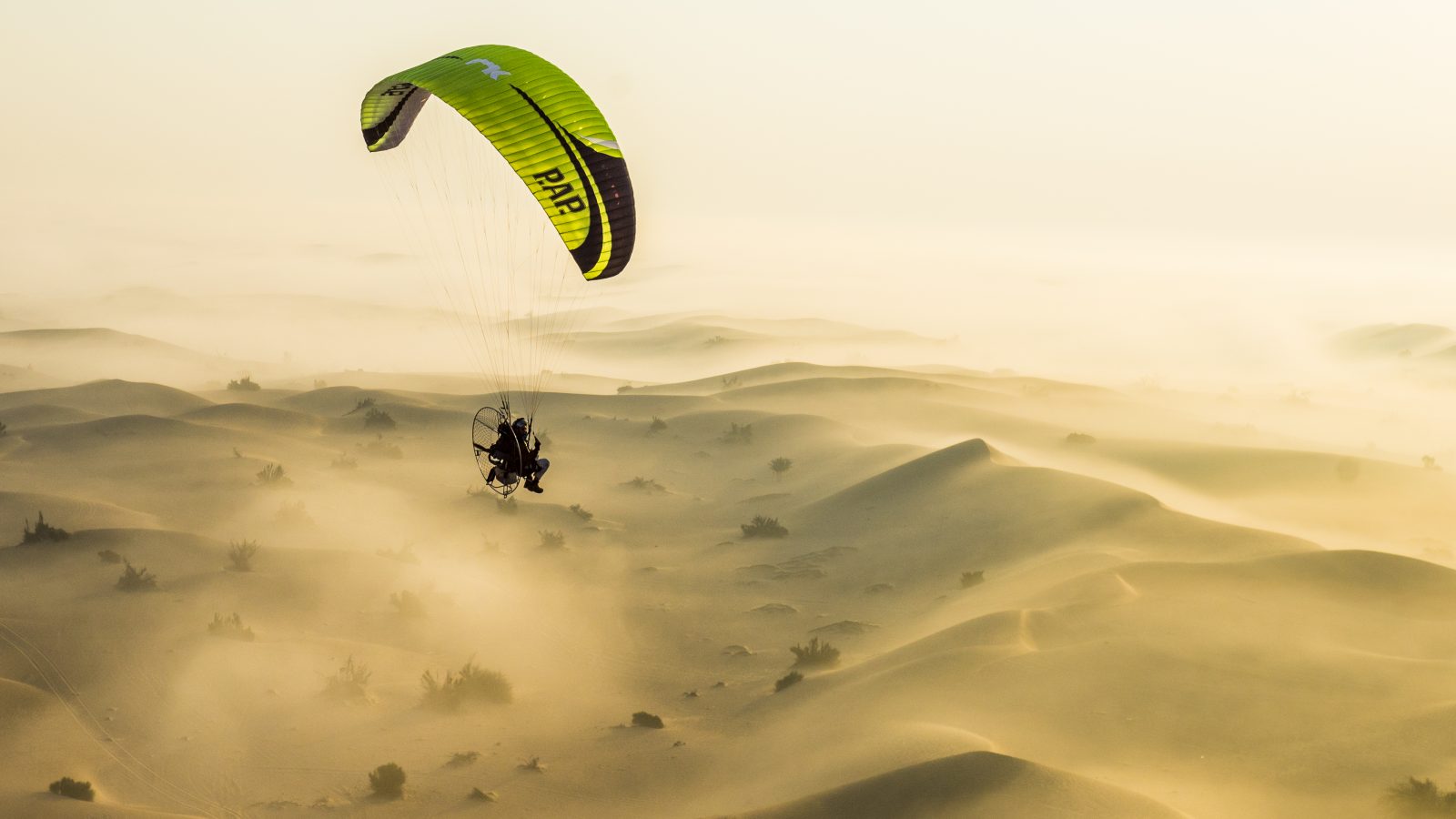
A paramotor combines a paraglider with a small engine and propeller, giving you the ability to launch from relatively flat ground and fly without relying on a hill or ridge.
You still get the simplicity and low-speed handling of a paraglider, but with the freedom to choose where you launch and where you explore.
And just like paragliding, the engine is only part of the equation. Good paramotoring starts with good judgement, good weather awareness and good flying skills.
FLY FROM FLAT GROUND
No mountain or ridge required.
TRAVEL FURTHER
Take your flying to new places.
KEEP THE SKILLS
Your paraglider flying skills remain at the heart of paramotoring.
Learn the flying, not just the machine.
Paramotoring adds an engine to your flying, but it doesn’t remove the need to understand weather, terrain, equipment and risk.
Our training focuses on developing pilots who can make good decisions before and during every flight. You’ll learn how your equipment works, how to manage the motor, and how to recognise the conditions in which you should and shouldn’t fly.
Safety through understanding
Modern training methods
Weather-focused decision making
Real flying skills
Two ways to become a paramotor pilot
There are two ways to get into paramotoring with ParaPro. Which one makes sense depends on whether you already fly paragliders.
Already a paraglider pilot?
Paramotor Conversion
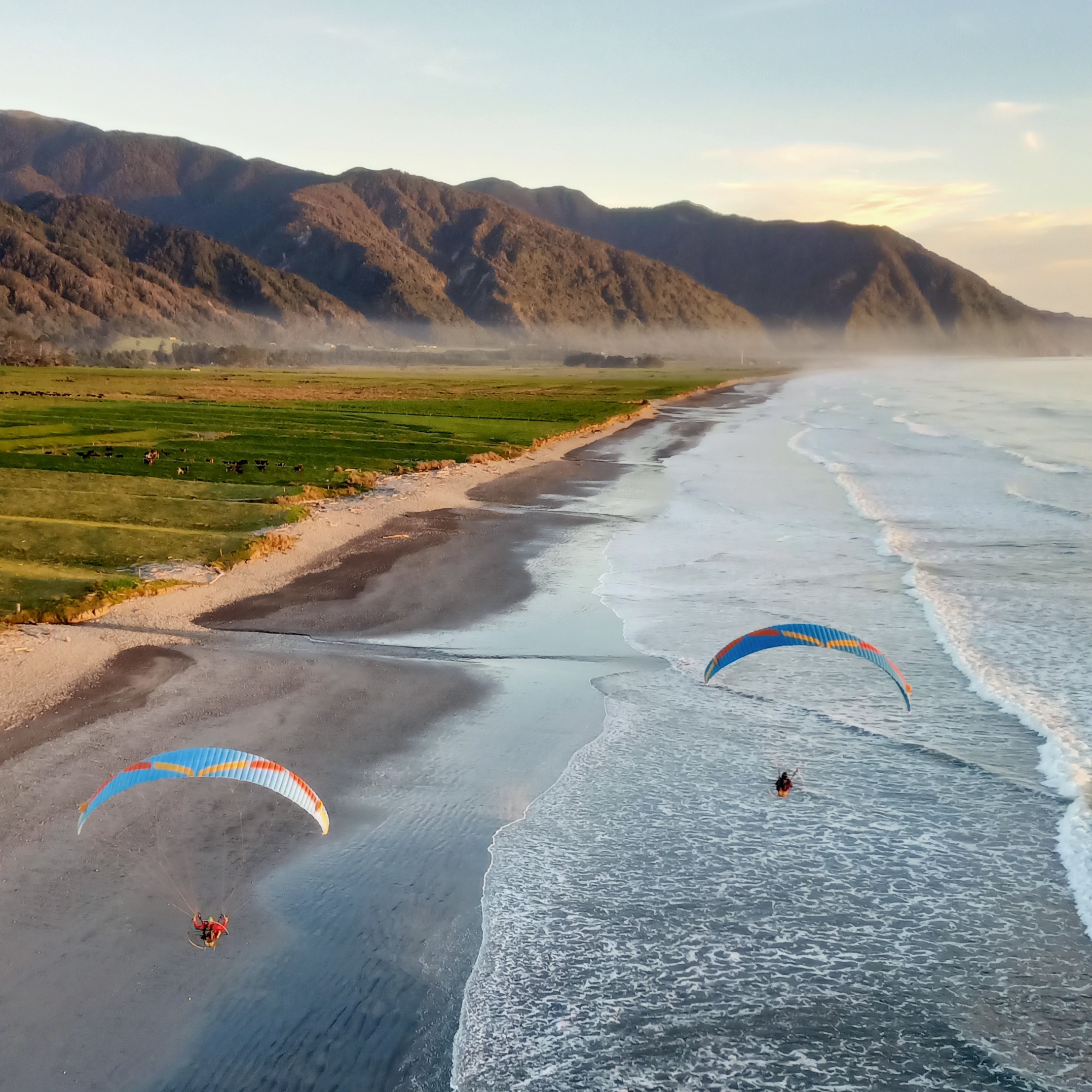
PG2 → PARAMOTOR
Already have your PG2 and some experience flying independently? A conversion course is the most direct way to add a motor to your flying.
Best for:
Pilots who already hold their PG2 and have experience flying a paraglider.
You’ll learn:
- Paramotor equipment and engine operation
- Ground handling with the motor
- Motorised launches and landings
- Managing the additional weight and thrust
- Flying with the motor
- Engine-related procedures
- Paramotor-specific safety and decision making
Starting from scratch?
Full Paramotor Course
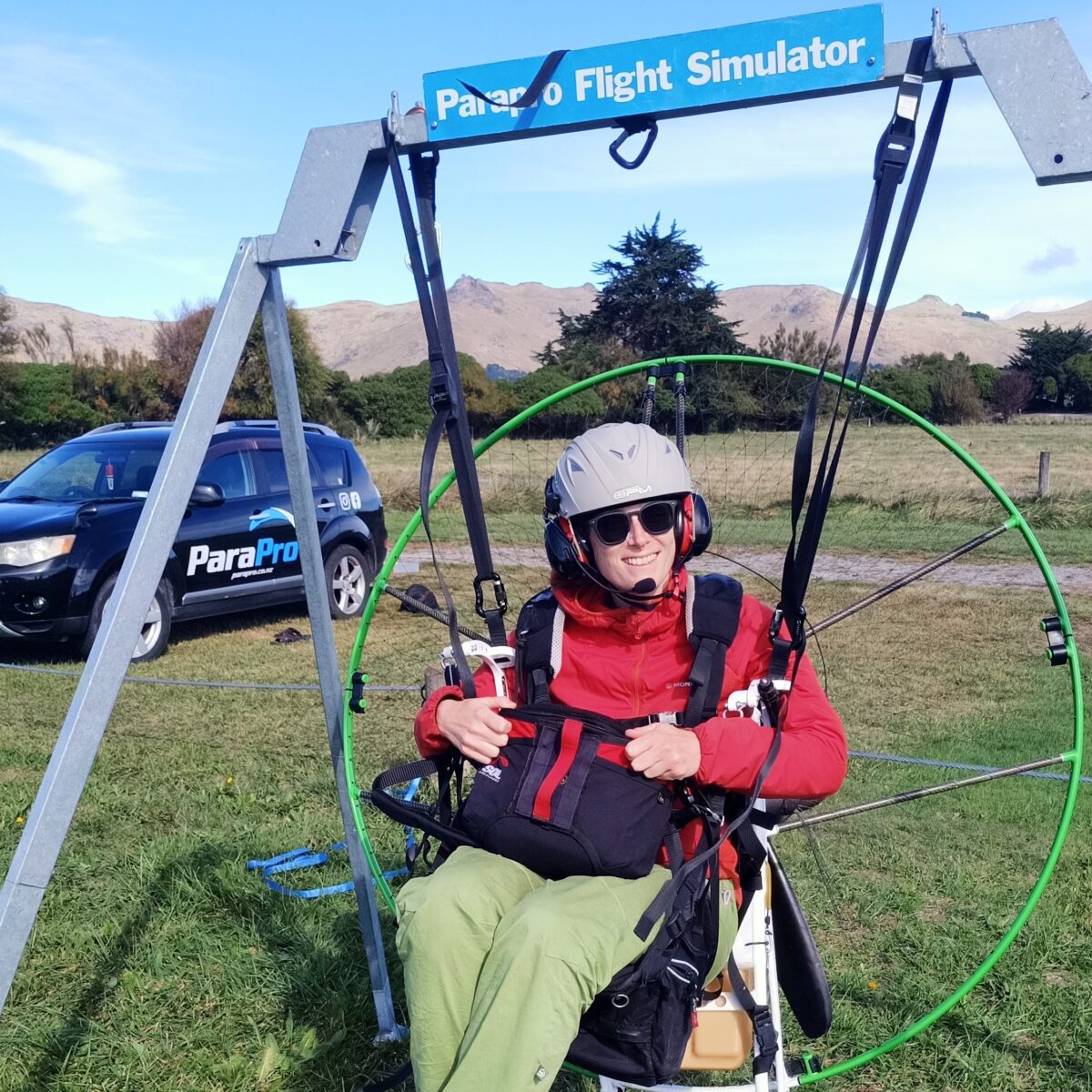
From Zero to Hero
No PG experience, no problem. We’ll teach you everything you need to know. You will complete 25 non motorised flights first with the PG class and even obtain your PG1. Then we get the big fan out!
Best for:
Complete beginners who want to learn paramotoring from the start.
You’ll learn:
- Basic wing control
- Launching and landing
- Flight control
- Weather and site assessment
- Paramotor handling
- Motorised launches
- Flight planning and decision making
- Paramotor-specific procedures
Enquire now !
Our recommendation: If you’re completely new to flying, learning paragliding first gives you a stronger foundation before adding an engine. Once you’re comfortable flying independently, paramotoring becomes a natural next step.
Learn at your pace, build real skills
Training is flexible, but consistency makes a big difference. We recommend doing a block of training where possible, then continuing with additional sessions around your schedule.
Each training day depends on the weather and your progression. When conditions aren’t suitable for flying, we use the time for theory, equipment, weather analysis and other skills that make you a better pilot.
The aim is not simply to complete a number of flights. It’s to develop the ability to understand what you’re doing and make good decisions for yourself.
The right equipment for your training
ParaPro uses equipment that we trust ourselves and that is appropriate for training pilots. We’ll help you understand the equipment you’re flying and, when you’re ready to purchase your own gear, help you choose equipment that suits your experience, goals and flying.
Frequently asked questions
Do I need to know how to paraglide first?
Yes but don’t worry, we’ll teach you. First we’ll teach you how to control a paraglider on it’s own before we add more complexity coming with paramotoring. If you’re starting from scratch you’ll do 25 non powered flights first, then another 25 motorised.
However, if you’re completely new to flying, learning paragliding first and then converting to paramotoring is also an excellent pathway and our recommendation.
How many flights are included in the full course?
The full paramotor training pathway includes 25 flights non powered and 25 powered flights.
I already have my PG2. Do I need to do the full course?
No. If you already hold the appropriate paragliding qualification and have the required experience, the paramotor conversion pathway is the natural option.
Do I need to own a paramotor?
Yes, it is best practice to learn on gear you will fly later but don’t worry, we’ll help you choose what’s best for you.
What happens if the weather is bad?
We don’t fly when conditions aren’t appropriate. Weather analysis, theory and equipment training can still be part of the training day.
Can I learn paragliding and then switch to paramotoring?
Yes. In fact, this is the pathway we’d generally recommend to someone who wants to become a well-rounded pilot.