
Progression Coaching
Keep getting better at flying
Flying your first solo flights is only the beginning. ParaPro’s progression sessions are designed to help you understand more, make better decisions and get more out of your flying.
Learn the stuff that makes you a better pilot
These small-group theory sessions take the things you experience in the air and break them down properly. We’ll look at the theory behind what you’re seeing, practical techniques you can use on your next flight, and the decisions that help you fly more effectively.
3
Theory sessions
2 hrs
Each session
$40
Per person / session
Small groups, practical discussion and plenty of time for questions.
Check out the Calendar to find out when these are happening.
01 · Entering in a thermal
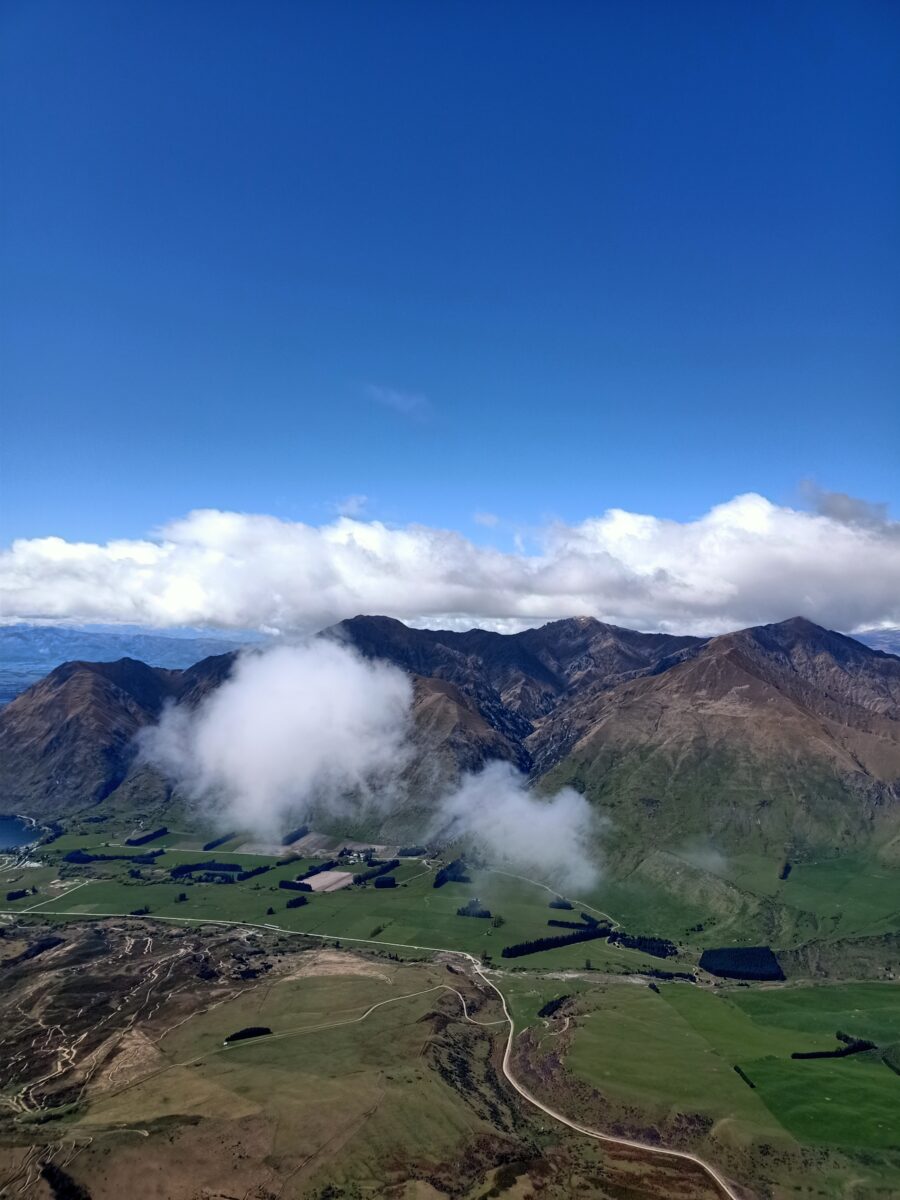
Before you can stay in a thermal, you need to know how to enter one well. This session focuses on the pitch and roll control that helps you respond to the changing movements of the wing as you encounter rising air.
You’ll explore
Pitch control
Understand what pitch is, how to influence it, and how the wing reacts when you fly into a thermal. You’ll work on recognising and controlling both forward and backward pitch.
Roll control
Learn what causes roll, how to control it, and what can happen when your roll control isn’t quite where it needs to be.
Let the harness work
Learn to separate unnecessary arm movements from your inputs, trust the harness, relax, observe and then act.
Brakes, weight shift & carving
Explore when and where to use inside and outside brake, weight-shift inputs and carving to control the wing.
Take it flying
You’ll leave with practical exercises to work on in the air, including pitch control and becoming more comfortable leaning back into your harness. You’ll also use visualisation to prepare yourself for the reactions you’ll experience when entering a climb.
02 · Being in a thermal
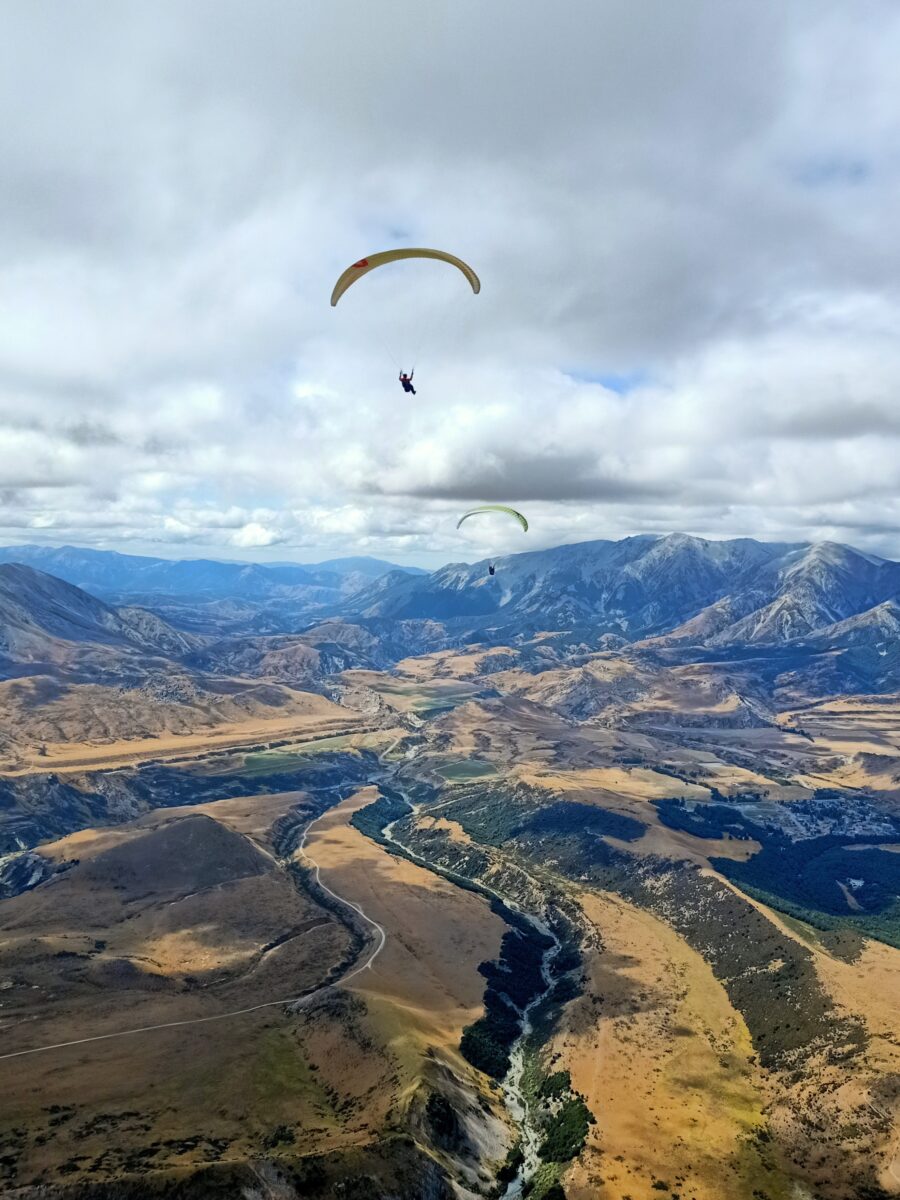
Knowing how to enter a thermal is one thing. Staying in it efficiently is where the real work begins. This session looks at how to find and stay with the strongest part of a climb, deal with changing conditions and make better use of the altitude you gain.
You’ll explore
Using your vario
Understand what your instruments are telling you, when to trust them and when your eyes and body can tell you more.
Finding the core
Learn how to position yourself in the strongest part of the thermal and recognise what happens when the lift changes.
Flying in wind
Understand how wind affects the thermal and how to compensate for it.
Sink
Learn to anticipate sink and avoid simply drifting wherever the thermal takes you.
Flying with others
We’ll look at joining a gaggle and the practical considerations that come with sharing thermals.
Take it flying
You’ll leave with practical exercises to work on in the air, including pitch and roll control and visualising yourself entering, centring and staying in a thermal.
03 · Picking the day
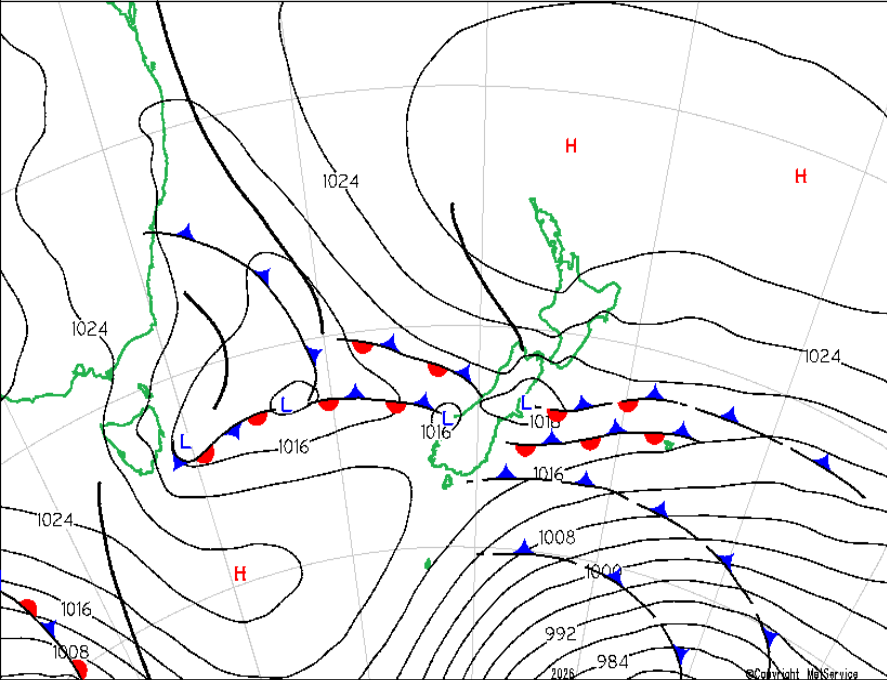
Good thermalling starts before you arrive at the hill. This session looks at how to recognise the weather patterns that can make a day flyable, how to spot when conditions are becoming unsuitable, and why knowing when not to fly is essential for a long paragliding career.
You’ll explore
The big picture
Learn what to look for in the weather when assessing whether a day has the potential for good thermalling.
Stable vs. unstable
Understand the difference between stable and unstable air and what it means for your flying.
Weather resources
Explore resources including MetService, MetVUW, SkySight and RASP, and how they can help you build a picture of the day.
Reading the atmosphere
Learn how to use a Skew-T diagram to help assess the atmosphere, recognise excessive wind and understand convergence.
When not to fly
Perhaps the most important part of the session: recognising conditions when flying isn’t the right decision.
Take it flying
You’ll be encouraged to look for signs of thermals during your flights, even when ridge soaring, and start observing what is happening around you. You’ll also practise looking ahead for the next flyable day, comparing forecasts and visualising the conditions before you arrive.
Instructional tandem flight for Pilots
Feel what you’re doing
One of the hardest things about improving your flying is getting useful feedback while you’re actually in the air.
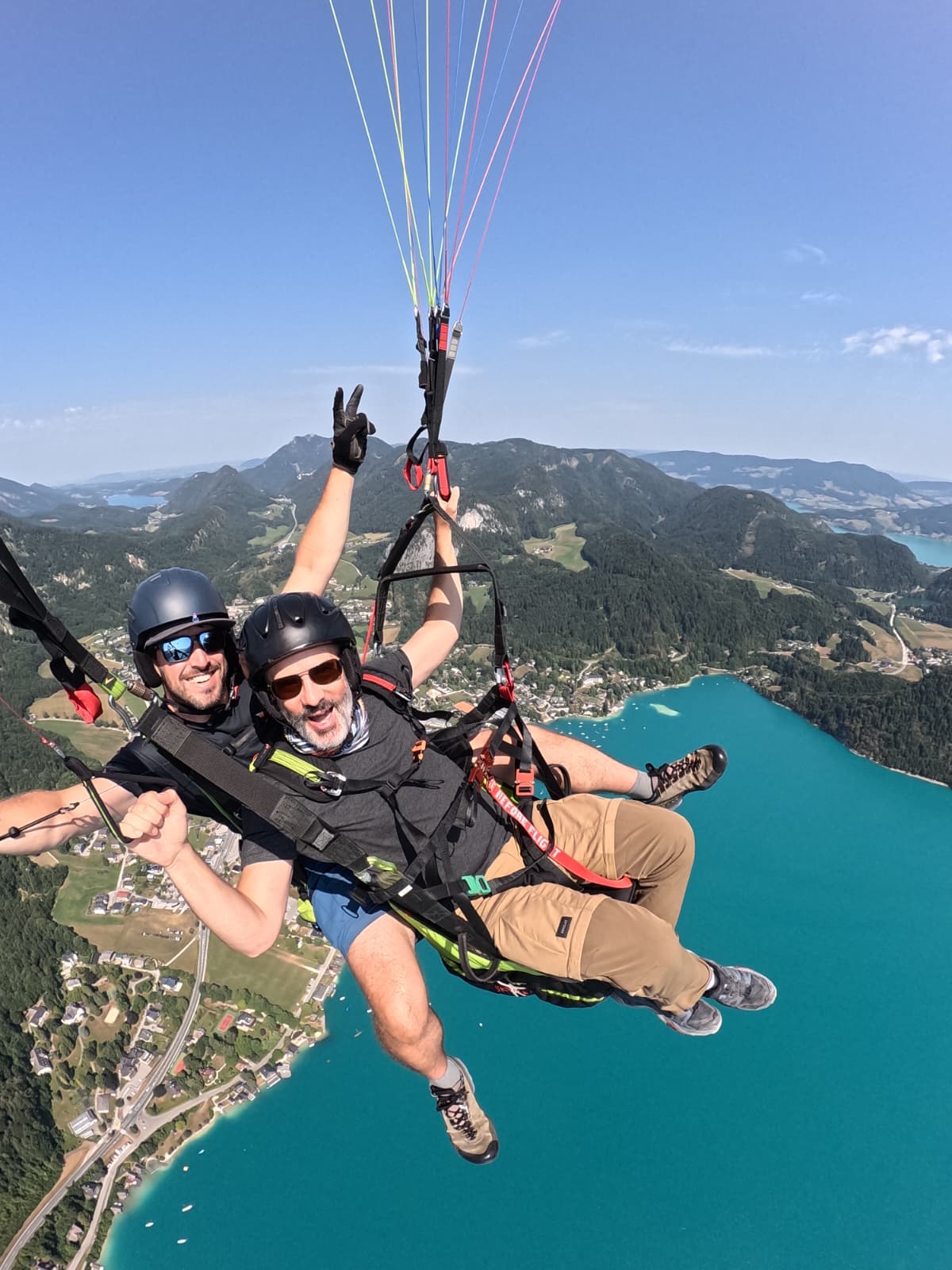
During an instructional tandem flight, you can practise specific techniques while flying with an instructor who can give you immediate feedback and guidance.
In normal flying, you might only realise you’ve been doing something wrong once you’re back on the ground. Sometimes your friends can tell you what they saw. Sometimes you don’t find out until something goes seriously wrong. Tandem training gives you the opportunity to explore and practise techniques with an instructor right there with you.
What can we work on?
Pitch & roll control
Practise controlling the wing and get immediate feedback on your inputs, timing and technique.
Soaring techniques
Work on techniques relevant to ridge soaring and staying in lift while having an instructor with you in the air.
Specific skills
Already know what you’re struggling with? Tell me beforehand and we can build the flight around it.
The session is particularly useful for pilots who have been flying for a while and want to hone their skills.
How it works
01
Briefing
Before the flight, we’ll discuss what you want to work on and what we’ll focus on in the air.
02
Fly
Approximately 30 minutes in the air, with exercises and immediate feedback throughout the flight.
03
Debrief
After landing, we’ll review the flight and identify specific exercises and techniques to practise on your own.
Who is it for?
Already flying but want to progress?
- Know you have a particular weakness you’d like to work on
- Want feedback on your pitch or roll control
- Want to improve your soaring technique
- Feel like your progression has stalled
- Want to experience a technique before trying to practise it yourself
Feel what you’re doing
Instructional Tandem Flight
$120
Approx. 30 min flight + briefing + debrief